Shipping Container Info & Resources – India Container Guide & FAQs
Shipping containers play a major role in transportation, storage, construction, and portable workspace solutions across India. Whether you are a business owner, contractor, homeowner, or logistics professional, understanding container types, features, safety standards, and local guidelines is essential. This comprehensive guide provides detailed information on how containers are used, how to choose the right one, and what to expect when buying, selling, or renting in the Indian market. With accurate insights and practical tips, you can make confident container-related decisions while ensuring compliance, safety, and long-term durability.
Container Types, Sizes & Uses — 20ft, 40ft, High Cube, Refrigerated, & More
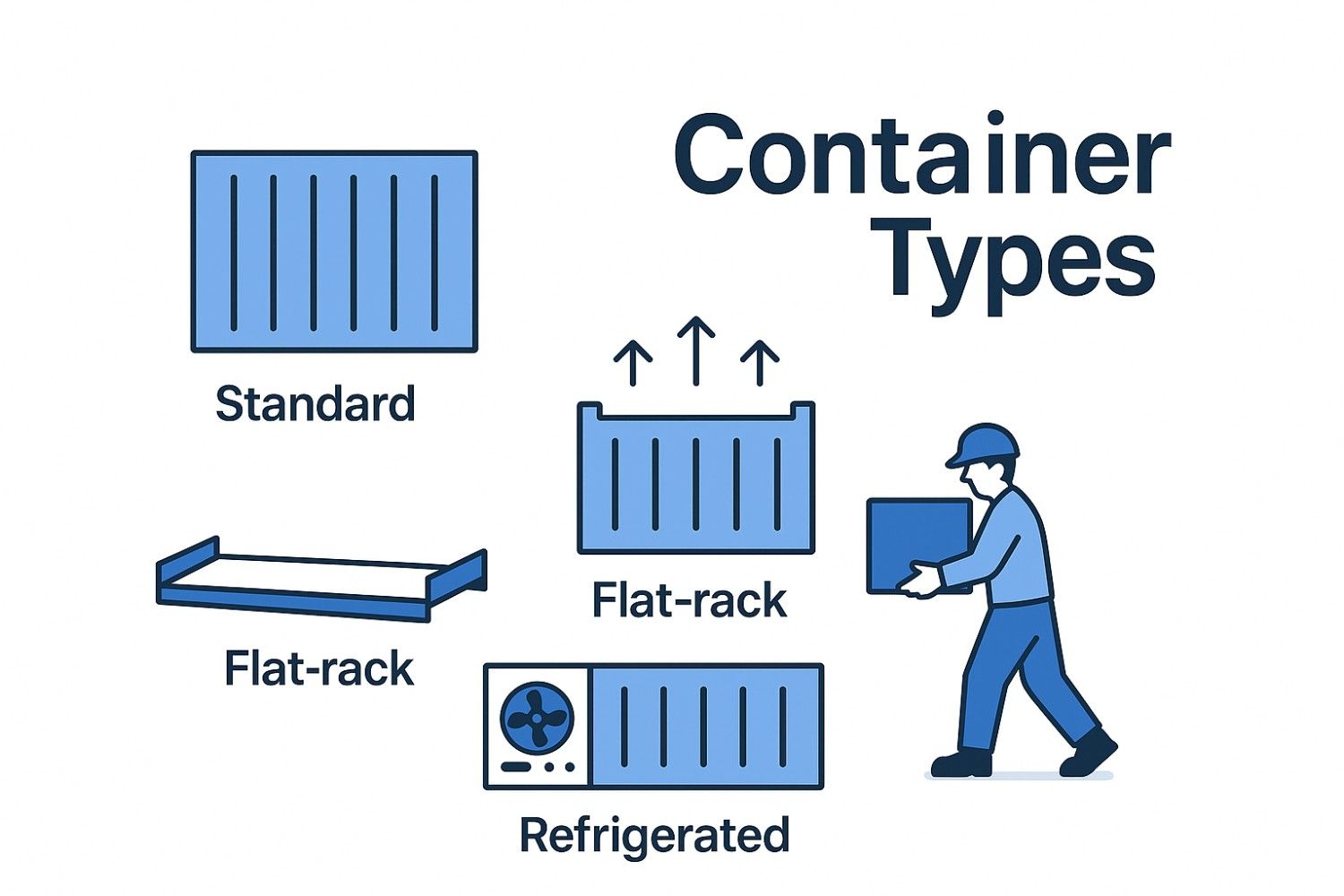
Shipping containers come in various sizes and configurations designed for different applications. The most common units include 20ft and 40ft standard containers, suitable for general storage and transportation. High Cube containers offer extra height, making them ideal for oversized cargo and conversion projects. Refrigerated containers, also known as reefers, provide temperature-controlled storage for goods like food, pharmaceuticals, and sensitive materials. Specialty containers such as open-top, flat-rack, double-door, and tunnel containers support industrial and construction use cases. Selecting the right container depends on your storage needs, climate conditions, mobility requirements, and intended modifications.
Buying, Selling & Renting Containers in India — What You Should Know
The Indian container market provides various options for purchasing, selling, or renting units. Buyers can choose from new, used, cargo-worthy, or one-trip containers depending on budget and quality preferences. Sellers can list their containers online through industry platforms, making it easy to reach buyers nationwide. Renting containers is often the most cost-efficient option for temporary storage, seasonal operations, or project-based needs. Understanding pricing factors such as condition, age, availability, delivery distance, and customization requirements helps ensure fair and competitive transactions. Working with reputable suppliers guarantees transparency, proper documentation, and safe delivery.
Container Maintenance, Safety & Best Practices for India Use
Shipping containers are built to withstand harsh environments, but proper maintenance ensures long-lasting performance. Routine inspection is essential to identify rust, dents, door alignment issues, and structural damage. Keeping doors lubricated, sealing leaks, and applying rust-resistant coatings help preserve container quality. For businesses, following local safety guidelines ensures compliance when containers are used on construction sites or as portable workspaces. Improper stacking, poor ventilation, and overloading can lead to accidents or product damage. Regular upkeep extends the container's lifespan and ensures reliable use for storage, transport, or office conversions.
Essential Safety & Maintenance Guidelines for Containers in India
Safety should always be a priority when operating or modifying shipping containers. Before use, check the container’s CSC plate, structural condition, and locking mechanisms. Ensure the container is placed on a level foundation to avoid instability. When converting containers into offices or workshops, proper electrical installation, insulation, ventilation, and emergency exits are mandatory. Avoid exceeding the container's load capacity, especially when stacking multiple units. Regular inspections help prevent corrosion, water intrusion, and hazardous structural issues. Following these guidelines promotes safer handling and prolongs the container’s functional lifespan.
Frequently Asked Questions (FAQ) — Shipping Container Rules, Regulations & Use Cases
Many Indian customers often ask about container zoning laws, transportation rules, and modification regulations. Local building codes may require permits for using containers as offices, homes, or permanent structures. Transportation regulations vary by state, especially regarding oversize loads and highway restrictions. Common use cases include storage, retail pop-ups, construction offices, emergency shelters, portable workshops, and modular housing. Understanding local regulations, proper documentation, and industry standards ensures legal and safe use of shipping containers across the country.
Container Customization Options — Insulation, Ventilation, Shelving, Office Conversion
Container customization allows businesses and individuals to adapt units for specialized applications. Insulation improves climate control for office or workshop conversions. Ventilation upgrades reduce moisture buildup, protecting stored goods from damage. Shelving and internal storage systems enhance organization for warehouses and job sites. Advanced modifications such as electrical wiring, plumbing, windows, doors, HVAC, and full office conversion transform standard containers into functional workspaces or modular buildings. These upgrades increase usability, comfort, and operational efficiency while preserving container durability.